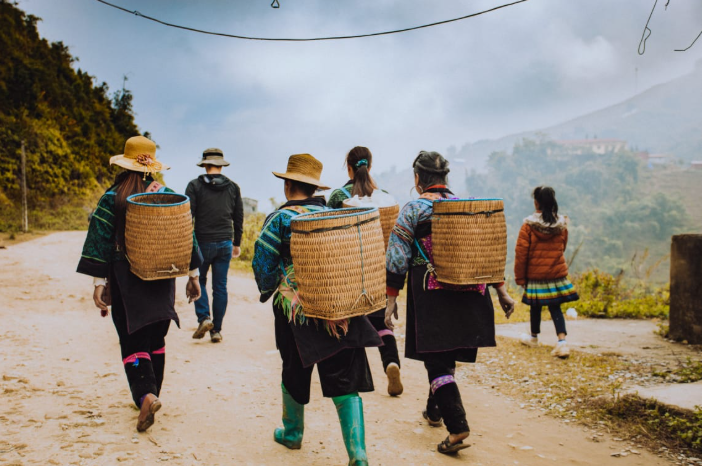
Travel can look very different depending on who shares the journey. Some people feel most alive when they explore alone, make their own decisions, and move at their own pace. Others enjoy travel more when they can share meals, split responsibilities, laugh through unexpected moments, and create memories with friends, family, or a planned group.
Choosing between solo travel and group travel is not about deciding which one is universally better. It depends on personality, comfort level, budget, destination, safety needs, and the kind of experience a traveler wants. Both styles can be rewarding, but they offer different kinds of freedom, connection, and challenge.
Keypoints
- Solo travel gives travelers more freedom, privacy, and control over the itinerary.
- Group travel offers shared experiences, emotional support, and easier planning.
- Solo trips can build confidence, independence, and self-awareness.
- Group trips can be more social, safer in some settings, and easier for first-time travelers.
- The better choice depends on travel goals, destination, budget, and personal comfort.
The Appeal of Solo Travel
Solo travel gives a person complete control over the journey. There is no need to match another traveler’s schedule, interests, budget, food preferences, or energy level. A solo traveler can wake up early for a sunrise walk, spend three hours in a museum, change plans suddenly, or sit quietly in a café without explaining the decision to anyone else. This freedom is one of the biggest reasons people choose to travel alone.
For many travelers, solo travel is also a chance to reconnect with themselves. Daily life often requires compromise, responsibility, and constant interaction. Traveling alone creates space to think, observe, and move through the world without the usual social noise. It can feel refreshing to make decisions based only on personal interest and instinct.
Another major benefit is confidence. A solo traveler has to solve problems, navigate new places, ask for help, manage transport, choose accommodation, and handle unexpected changes independently. These moments can feel intimidating at first, but they often become empowering. After successfully managing a trip alone, many people return home with a stronger sense of capability.
Solo travel can also make a person more open to meeting others. When someone travels with friends, it is easy to stay inside that familiar circle. When traveling alone, conversations with locals, guides, hostel guests, café owners, or other travelers may happen more naturally. This can make the experience feel surprisingly social, even without a companion.

The Comfort of Group Travel
Group travel offers a different kind of satisfaction. Instead of personal independence being the main focus, shared experience becomes the highlight. A beautiful view, a funny travel mistake, a memorable meal, or a new activity can feel more meaningful when someone else is there to enjoy it too. For many people, travel is not only about the destination, but also about who they experience it with.
One major advantage of group travel is emotional support. New places can be exciting, but they can also feel overwhelming. Having companions nearby can make unfamiliar situations easier to manage. If a train is delayed, a hotel booking goes wrong, or a traveler feels tired, there is someone to help think through the next step. This can reduce stress and make the journey feel safer.
Group travel can also be practical. Planning responsibilities can be shared, and costs may be easier to divide. Accommodation, taxis, guides, food, and some activities can become more affordable when split among several people. For travelers who do not enjoy organizing every detail, joining a group tour can remove much of the pressure because transport, accommodation, and activities are often arranged in advance.
For social travelers, group trips can bring energy and fun. Some people enjoy talking through the day’s plans, taking photos together, sharing meals, and having familiar company during long journeys. For them, travel feels richer when it includes conversation, laughter, and shared memories.
Freedom, Safety, and Personal Comfort
The main difference between solo travel and group travel often comes down to freedom and comfort. Solo travel offers more freedom, while group travel usually offers more built-in support. Neither is better in every situation. The right choice depends on what the traveler values most.
A solo traveler can make quick decisions without discussion. This is helpful for people who dislike strict schedules or who enjoy spontaneous plans. If they love a city, they can stay longer. If a place does not feel right, they can leave. This flexibility can make travel feel more personal and less restricted.
Group travel may feel safer, especially in destinations where language barriers, transport systems, nightlife, or remote areas could make solo movement more difficult. Traveling with others can reduce certain risks and provide reassurance. This does not mean solo travel is unsafe by nature, but it does require more awareness, preparation, and self-reliance.
Personal comfort matters too. Some people enjoy their own company and feel energized by independence. Others may feel lonely, anxious, or bored without someone to share the experience. A traveler who knows they dislike eating alone, navigating alone, or making every decision alone may enjoy group travel more. A traveler who feels drained by constant compromise may prefer solo travel.
The destination can also shape the decision. A calm city with reliable transport may be ideal for a first solo trip. A remote hiking route, complex multi-country itinerary, or adventure-heavy journey may feel easier with a group. The better option is often the one that fits both the person and the place.

Pros and Cons of Each Travel Style
Solo travel and group travel each come with strengths and trade-offs. Understanding these can help travelers make a more realistic choice before booking.
- Solo travel gives full control, but it can feel lonely during meals, delays, or quiet evenings.
- Group travel creates shared memories, but it often requires compromise on plans and pace.
- Solo travel builds independence, but the traveler must handle every problem alone.
- Group travel can feel safer, but it may limit privacy and personal space.
- Solo travel allows spontaneity, but costs may be higher without shared expenses.
- Group travel can reduce planning stress, but different personalities may create tension.
These points show that the best option depends on priorities. A traveler who wants personal growth and flexibility may accept the challenges of solo travel. A traveler who values companionship and support may prefer the structure of group travel. Both choices can lead to a meaningful trip when expectations are realistic.
Matching the Travel Style to the Traveler
A person who enjoys independence, quiet time, flexible plans, and self-discovery may be well suited to solo travel. This style works especially well for travelers who like making their own decisions and do not mind spending time alone. It can also be a strong choice for people who want to challenge themselves, reset emotionally, or explore personal interests without compromise.
Solo travel can be especially rewarding for creative travelers, introverts who enjoy observation, experienced travelers who want freedom, or anyone going through a period of personal change. It gives them room to think and move at their own pace. The experience can feel deeply personal because every choice belongs to the traveler.
Group travel may be better for people who enjoy shared energy, social connection, structured plans, and practical support. It is often a good choice for first-time travelers, families, friends, couples, students, or people visiting destinations where guided support feels useful. It can also work well for travelers who want to meet new people through organized tours.
Group travel is also helpful when the experience itself is social or activity-based. Food tours, safaris, hiking trips, cruises, retreats, and adventure travel can feel more enjoyable with others. Shared excitement can make these experiences feel more memorable.
Some travelers may prefer a mixed approach. They might travel alone to a destination, then join a day tour. They may take a group trip but schedule free time for personal exploring. This balance can offer independence without isolation and connection without constant compromise.

How to Choose the Better Option
The easiest way to choose between solo travel and group travel is to think honestly about the purpose of the trip. If the traveler wants freedom, reflection, and personal growth, solo travel may be the stronger choice. If the goal is bonding, shared fun, and easier logistics, group travel may be more suitable.
Budget should also be considered. Solo travelers may pay more for accommodation, taxis, or private experiences. Group travelers can often split certain costs, but group tours may include package prices that are not always cheaper. The best choice depends on how the trip is planned.
Personality matters more than people sometimes admit. A traveler who needs quiet time may struggle with a busy group itinerary. A traveler who dislikes being alone may find solo travel emotionally difficult. Choosing the right style means respecting personal needs rather than following what looks impressive online.
Safety and destination should be part of the decision as well. Some places are easy to explore independently, while others may be better with local guides or companions. Researching transport, accommodation areas, cultural norms, and communication challenges can help travelers choose wisely.
The length of the trip can also influence the decision. A short solo trip may feel refreshing, while a long solo journey may become lonely for some people. A weekend group trip may feel fun, while a long group trip may require patience and compromise. Matching the style to the trip length can prevent frustration.
Final Thoughts
Solo travel and group travel both offer valuable experiences, but they serve different needs. Solo travel gives freedom, independence, self-discovery, and personal control. Group travel offers connection, shared memories, support, and easier planning. Neither option is automatically better, because the right choice depends on the traveler’s goals, comfort level, destination, and personality.
A person seeking quiet reflection, flexibility, and confidence may find solo travel deeply rewarding. A person who enjoys companionship, shared laughter, and practical support may feel happier in a group. Some of the best travel experiences may even combine both styles, allowing space for independence while still creating moments of connection.
The most important question is not whether solo travel or group travel is better. The better question is what kind of experience the traveler needs right now. When the travel style matches the person, the journey becomes easier to enjoy, more meaningful, and more likely to create memories that last.