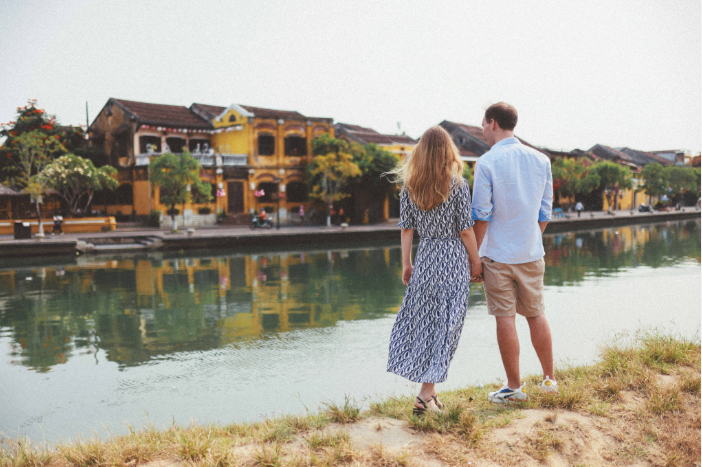
Travel is often connected with careful planning, detailed schedules, and organized itineraries. Many people believe that a successful trip depends on booking everything in advance and following a strict timetable. While planning can make travel comfortable, there is another style of exploring the world that offers a completely different kind of experience. This is the art of spontaneous travel.
Traveling without a plan is about allowing the journey to unfold naturally. It means stepping away from fixed schedules and giving yourself the freedom to make decisions in the moment. Instead of controlling every detail, spontaneous travelers embrace uncertainty and welcome unexpected experiences.
For many people, this style of travel feels exciting and refreshing. It creates opportunities for discovery, personal growth, and unforgettable memories. In a world where life is often controlled by routines and deadlines, spontaneous trips bring back the joy of freedom and adventure.
Understanding Spontaneous Travel

Spontaneous travel means exploring places without following a strict itinerary. It does not mean being careless or irresponsible. Instead, it focuses on flexibility and openness. Travelers may book a flight or arrive at a destination with only a general idea of what they want to do.
Rather than planning every activity, spontaneous travelers make decisions based on their feelings, recommendations from locals, weather conditions, or unexpected opportunities. This allows the trip to feel more natural and personal.
Some travelers choose destinations at the last moment, while others simply avoid over planning. Both approaches share the same idea of allowing the journey to develop freely instead of following a fixed structure.
The Freedom of Unplanned Adventures
One of the greatest benefits of traveling without a plan is freedom. When there is no strict schedule to follow, travelers can move at their own pace. They are free to stay longer in places they love and leave places that do not interest them.
This flexibility removes the pressure often associated with traditional travel. There is no need to rush from one attraction to another or constantly check the time. Travelers can relax and fully enjoy the moment.
Spontaneous trips also create a stronger sense of adventure. Every day becomes unpredictable, and even simple decisions can lead to exciting experiences. A random conversation with a local person or a walk down an unfamiliar street can completely change the direction of the journey.
Discovering Hidden Places

When travelers follow strict itineraries, they usually visit famous tourist attractions. While these places are often beautiful, they can sometimes feel crowded and commercialized.
Spontaneous travel encourages exploration beyond popular tourist areas. Travelers often discover hidden cafés, quiet beaches, local markets, and peaceful neighborhoods that are not mentioned in travel guides.
These hidden places often become the most memorable parts of the journey. They offer a more authentic experience and allow travelers to connect more deeply with the culture and atmosphere of a destination.
Unexpected discoveries are one of the reasons why spontaneous travel feels so rewarding. The excitement of finding something unique creates a sense of personal connection with the place.
Learning to Embrace Uncertainty
Traveling without a plan teaches people how to become comfortable with uncertainty. Not knowing exactly where you will go next or what will happen during the day can feel challenging at first. However, this uncertainty is also what makes spontaneous travel exciting.
Unexpected situations often lead to personal growth. Travelers learn to adapt, solve problems, and remain calm when things do not go as expected. Missed buses, sudden weather changes, or changes in accommodation plans become part of the adventure rather than stressful problems.
This mindset can also influence daily life. People who experience spontaneous travel often become more flexible and confident in handling uncertainty outside of travel as well.
Building Genuine Human Connections
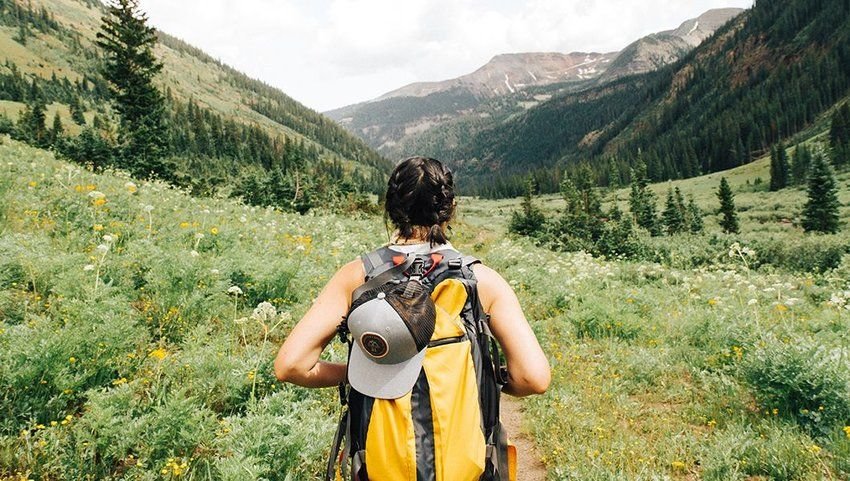
One of the most beautiful aspects of spontaneous travel is the opportunity to connect with people naturally. Without a busy schedule, travelers have more time to talk with locals, listen to stories, and share experiences.
Locals often provide recommendations that no guidebook can offer. They may suggest hidden restaurants, local events, or beautiful places that tourists rarely visit. These personal interactions create a more meaningful travel experience.
Friendships formed during spontaneous trips can also become unforgettable memories. Travelers often meet people from different cultures and backgrounds, creating connections that last long after the journey ends.
Living in the Present Moment
Modern life is often filled with distractions, deadlines, and future planning. Spontaneous travel encourages people to slow down and focus on the present moment.
Without a strict schedule, travelers become more aware of their surroundings. They notice the sounds of the streets, the beauty of sunsets, and the small details of everyday life. This creates a deeper sense of appreciation and mindfulness.
Living in the moment is one of the most valuable lessons spontaneous travel can teach. It reminds people that not every experience needs to be controlled or predicted.
Challenges of Traveling Without a Plan

Although spontaneous travel is exciting, it also comes with challenges. Lack of planning can sometimes create difficulties related to transportation, accommodation, or budgeting.
Finding hotels at the last moment may become stressful during busy travel seasons. Transportation schedules may change unexpectedly, and some activities may require advance reservations.
However, many travelers believe that these challenges are part of the adventure. They see them as opportunities to become more adaptable and resourceful.
The key to successful spontaneous travel is maintaining a balance between freedom and responsibility. Basic preparation such as carrying important documents, understanding local safety conditions, and managing finances remains important.
Why Spontaneous Travel Creates Stronger Memories
Many travelers discover that their most unforgettable memories come from unplanned moments. These moments often feel more genuine because they happen naturally rather than being scheduled.
A chance meeting with a stranger, an unexpected festival, or a peaceful evening in an unknown town can create lasting emotional memories. These experiences are difficult to recreate through strict planning.
Spontaneous trips also feel more personal because they are shaped by individual choices and emotions. Every decision becomes part of the story, making the journey unique to each traveler.
The Growing Popularity of Flexible Travel
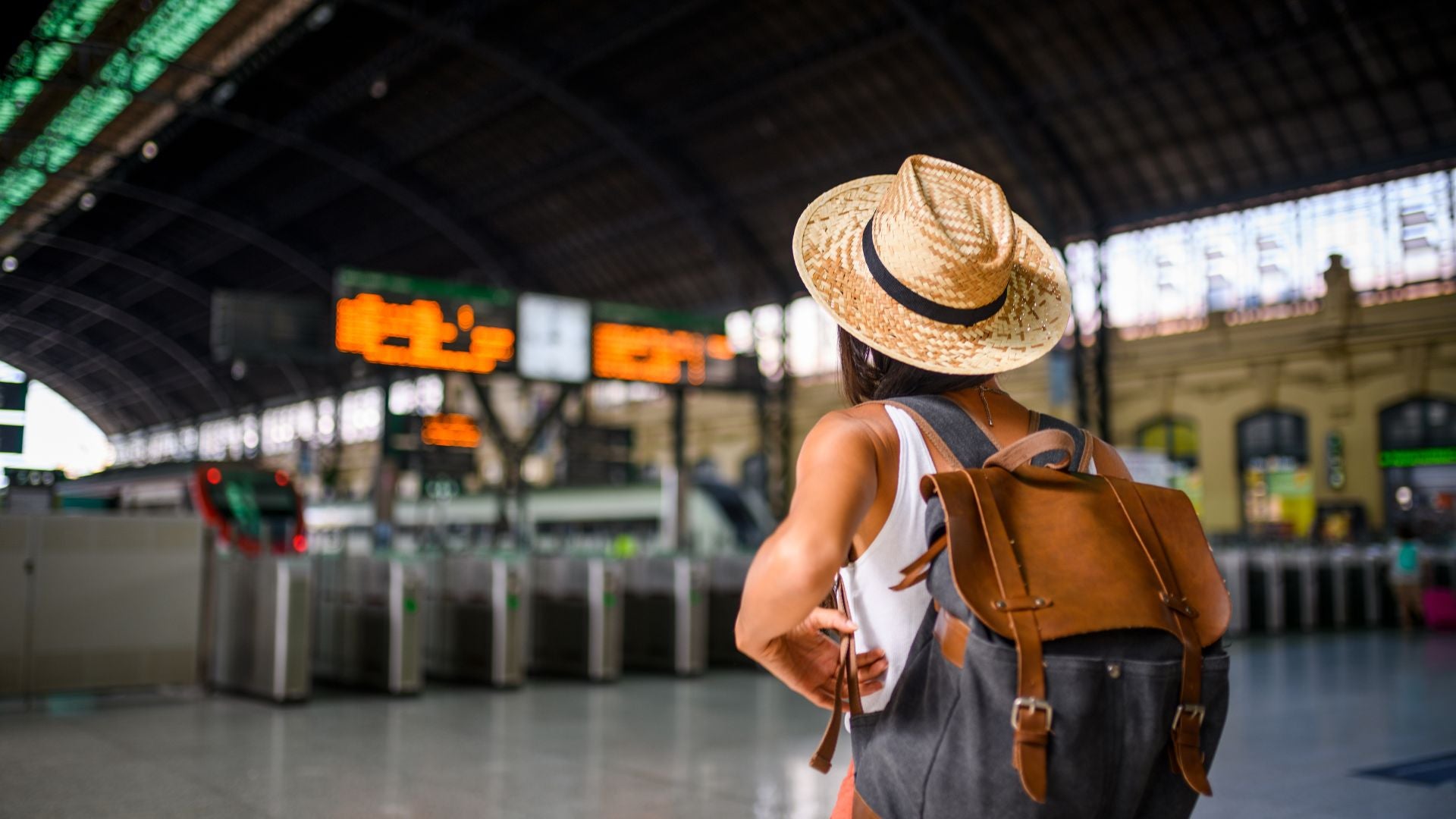
In recent years, more people have started embracing flexible travel styles. Modern technology has made spontaneous travel easier than before. Travelers can book accommodations, find transportation, and explore maps instantly through mobile devices.
At the same time, many people are seeking freedom from highly structured lifestyles. Spontaneous travel offers a break from routine and allows people to experience life in a more relaxed and natural way.
Social media has also influenced this trend. Travelers now share authentic experiences and hidden locations rather than only famous tourist attractions. This inspires others to explore destinations more freely and creatively.
Tips for Enjoying Spontaneous Trips
Even though spontaneous travel focuses on freedom, a few simple habits can make the experience smoother. Carrying essential items, staying open minded, and remaining flexible are important.
Travelers should also trust their instincts and avoid unnecessary stress. Not every moment needs to be perfect. Sometimes the unexpected situations become the best stories later.
Keeping a positive attitude is one of the most valuable tools during spontaneous travel. Flexibility and curiosity allow travelers to fully enjoy the unpredictable nature of the journey.

Conclusion
Traveling without a plan is more than just a travel style. It is a way of experiencing the world with openness, curiosity, and freedom. It allows people to step away from strict schedules and embrace the beauty of uncertainty.
Spontaneous trips create opportunities for authentic experiences, meaningful human connections, and personal growth. They encourage travelers to trust the journey and appreciate the present moment.
While planning has its place, some of life’s most beautiful memories come from the unexpected. The art of spontaneous travel reminds us that adventure often begins when we stop trying to control every detail and simply allow ourselves to explore.
FAQs
What does spontaneous travel mean?
Spontaneous travel means traveling without a strict itinerary and making decisions during the journey instead of planning everything in advance.
Is traveling without a plan safe?
Yes, it can be safe if travelers take basic precautions such as managing finances, carrying important documents, and staying aware of local conditions.
Why do people enjoy spontaneous trips?
People enjoy spontaneous trips because they offer freedom, flexibility, adventure, and opportunities for unexpected experiences.
What are the disadvantages of spontaneous travel?
Some disadvantages include difficulty finding accommodation, unexpected expenses, and uncertainty regarding transportation or schedules.
Can beginners try spontaneous travel?
Yes, beginners can start with short flexible trips and gradually become more comfortable with traveling without detailed plans.