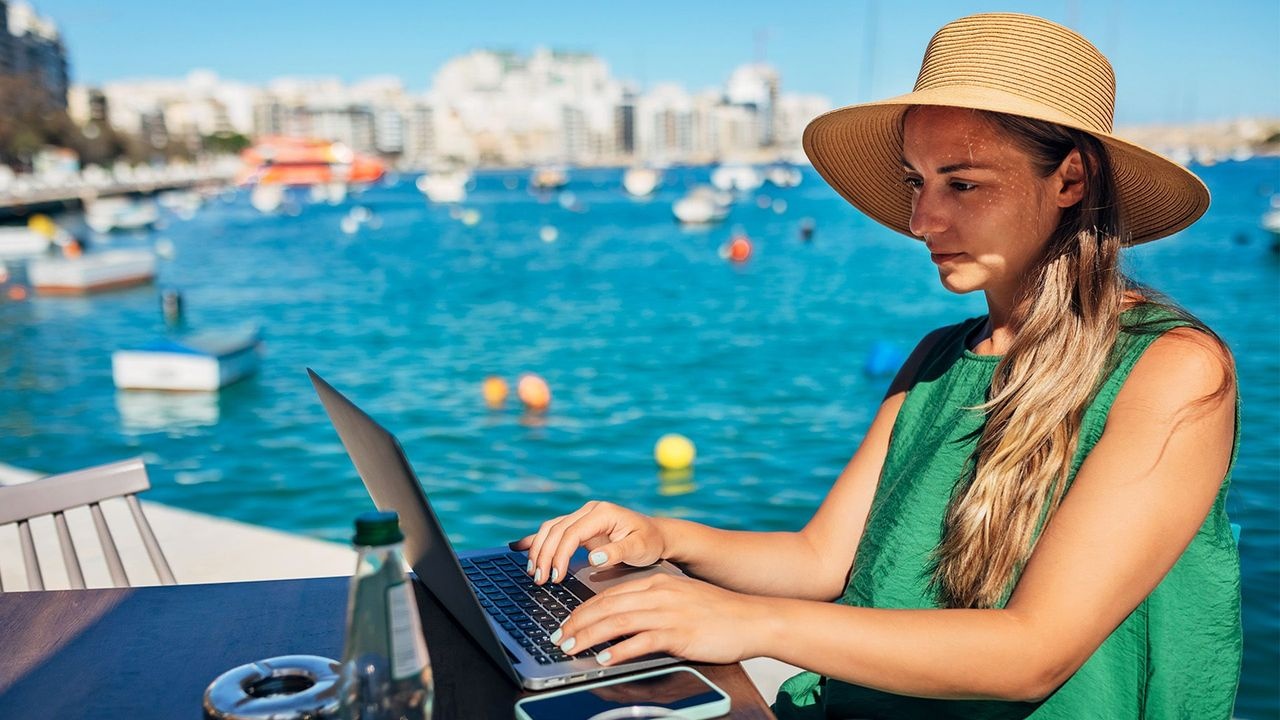
The fantasy used to sound wildly unrealistic: answering emails from a beach café, taking lunch breaks in another country, and somehow replacing miserable commutes with sunset walks along the ocean. Then remote work happened, the world adapted, and suddenly millions of people realized they didn’t actually need to sit in the same office building every day to get things done. Now the digital nomad lifestyle has evolved from social media daydream into a genuine global movement, and certain cities are becoming magnets for remote workers faster than anyone expected.
But the modern digital nomad isn’t just chasing cheap rent and tropical weather anymore. Today’s booming hotspots need reliable Wi-Fi, coworking culture, safety, strong café scenes, good healthcare, and enough personality to make long-term living feel exciting instead of isolating. The places thriving right now combine productivity with lifestyle in ways traditional cities are struggling to match.
Lisbon Is Still Europe’s Remote Work Darling

Lisbon continues to dominate the digital nomad conversation because it effortlessly blends beauty, practicality, and laid-back energy. The Portuguese capital offers warm weather most of the year, fast internet, excellent public transportation, and neighborhoods packed with cafés where laptops outnumber actual conversations by noon. For remote workers who want Europe without the chaos or pricing of London and Paris, Lisbon feels like the sweet spot.
What really makes Lisbon stand out is the lifestyle balance. You can finish work calls in the morning and still make it to the beach before sunset. The city also attracts creatives, startup founders, freelancers, and entrepreneurs, which means networking happens naturally without awkward corporate-event energy. Of course, Lisbon’s popularity has pushed prices upward, especially in central neighborhoods like Alfama and Bairro Alto. That has caused many digital nomads to explore nearby alternatives like Porto or Ericeira, but Lisbon remains one of the strongest remote-work hubs in Europe because it delivers both career convenience and quality of life.
Bali Still Owns the Remote Work Dream
Bali has become almost synonymous with digital nomad culture, and despite years of hype, it continues booming because the formula simply works. Areas like Canggu and Ubud are filled with coworking spaces, wellness cafés, affordable villas, and international communities that make settling in surprisingly easy. For many remote workers, Bali represents the ultimate work-life reset: lower living costs, slower mornings, healthier routines, and the ability to swap office stress for tropical scenery.
The appeal goes beyond aesthetics. Bali allows many freelancers and entrepreneurs to live more comfortably than they could in major Western cities while working remotely. That financial flexibility is a huge reason people stay longer than planned. There are trade-offs, though. Traffic congestion has become a real frustration, and some parts of Bali now feel heavily commercialized due to overtourism. Still, for digital nomads prioritizing lifestyle, wellness, and affordability, Bali remains one of the world’s biggest hotspots for good reason.
Mexico City Became the Coolest Urban Base for Nomads
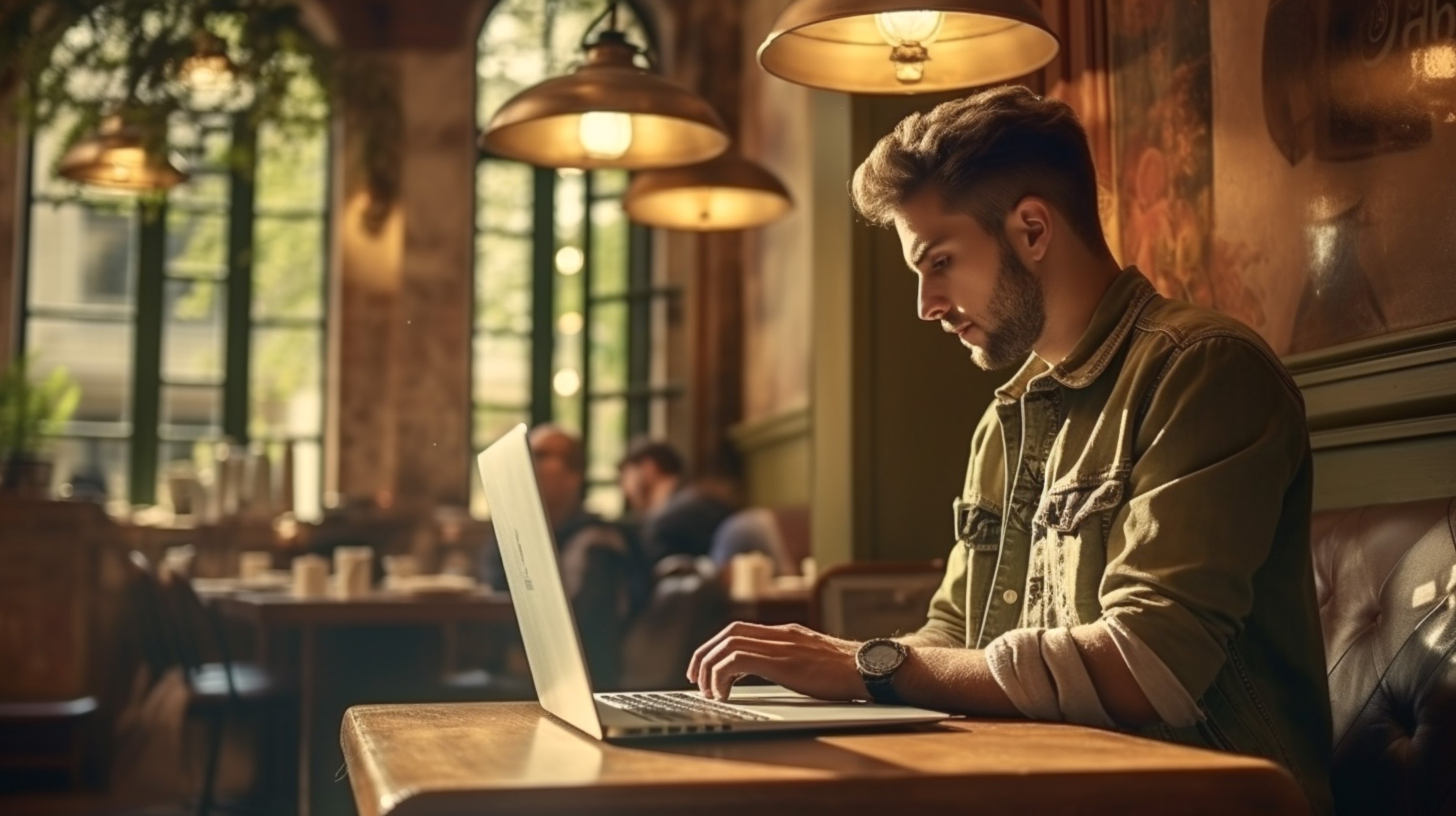
Mexico City has rapidly transformed into one of the most exciting digital nomad destinations anywhere right now. Instead of beaches and resort culture, the city offers something different: creativity, culture, incredible food, and nonstop energy. Neighborhoods like Roma Norte and Condesa have become remote-work playgrounds filled with boutique cafés, coworking spaces, rooftop bars, and apartment rentals designed almost suspiciously well for Instagram.
What makes Mexico City especially appealing is how much value it offers compared to major cities in the United States or Europe. Remote workers can enjoy world-class dining, vibrant nightlife, and rich cultural experiences while spending significantly less than they would in cities like New York or Los Angeles. The city also works particularly well for creatives, writers, designers, and startup workers who thrive in energetic environments. While rising prices and gentrification concerns are becoming major discussions locally, Mexico City continues attracting digital nomads because it combines affordability with an urban lifestyle that feels genuinely exciting.
Bangkok Is Winning With Affordability and Convenience
Bangkok has quietly remained one of the smartest choices for digital nomads who care about efficiency. The Thai capital offers incredibly affordable living costs, reliable infrastructure, excellent food, modern apartments, and some of the best convenience culture in the world. Need dinner at midnight, laundry done quickly, or fast public transportation? Bangkok somehow makes daily life feel frictionless.
Unlike destinations that revolve entirely around tourism, Bangkok feels like a functioning mega-city where remote workers can actually build long-term routines. Coworking spaces are everywhere, internet speeds are strong, and the café culture is growing rapidly. Another major advantage is travel access. Bangkok serves as a hub for exploring the rest of Asia cheaply and easily, making it ideal for nomads who like moving between countries throughout the year. While the city’s heat and traffic can overwhelm some newcomers, Bangkok continues booming because it offers practicality without sacrificing excitement.
Medellín Is Reinventing Its Global Reputation
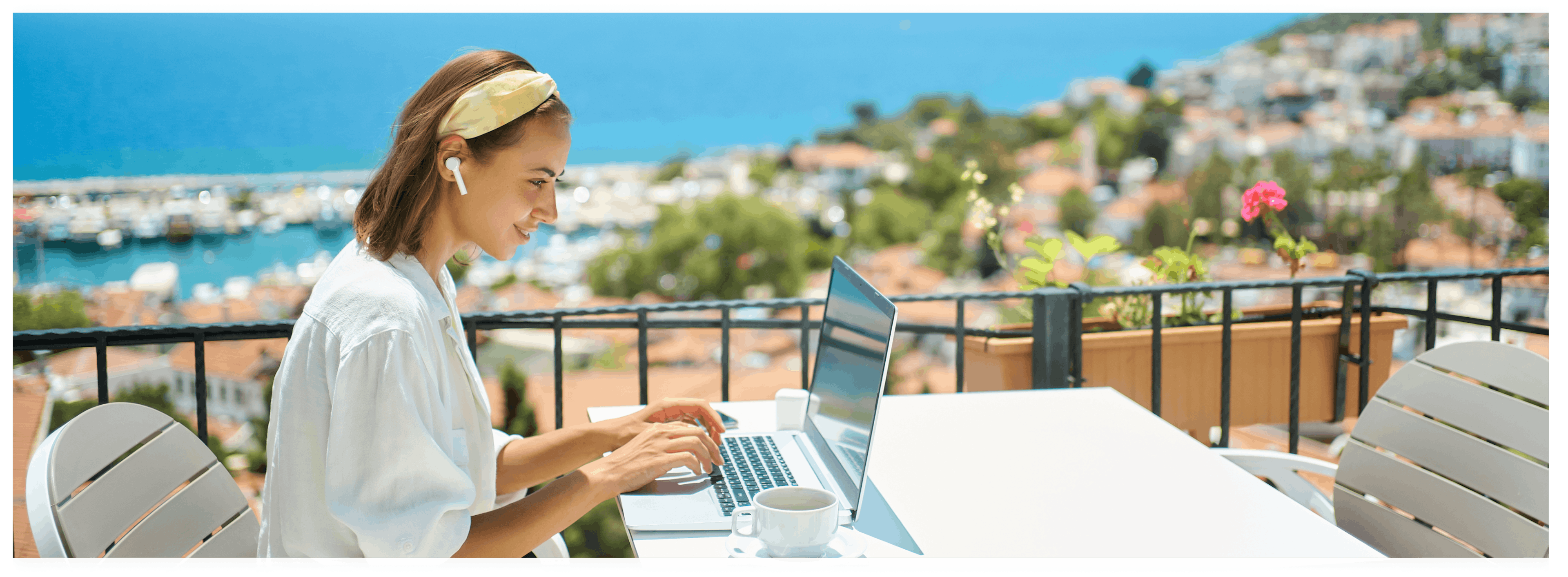
Once misunderstood internationally, Medellín has evolved into one of Latin America’s biggest digital nomad success stories. The Colombian city attracts remote workers with its spring-like climate, affordable lifestyle, mountain views, and rapidly expanding coworking scene. Neighborhoods like El Poblado and Laureles are filled with cafés, shared workspaces, and apartment rentals tailored toward longer stays.
What makes Medellín stand out is the sense of community. Many digital nomads say the city feels easier for meeting people and building friendships compared to larger, more transient hubs. The lower cost of living also allows freelancers and entrepreneurs more breathing room financially, which is increasingly important as global living costs rise. Safety perceptions still make some travelers hesitant, but Medellín’s transformation over the past decade has dramatically reshaped how the city is viewed internationally. For many remote workers, it offers one of the best balances between affordability, climate, and culture.
The Future of Work Suddenly Looks Much More Interesting
Digital nomad hotspots are booming because remote workers are no longer choosing destinations based purely on tourism. They’re choosing places where everyday life feels better. Strong Wi-Fi matters, but so do walkability, culture, affordability, weather, and emotional quality of life. People want destinations where they can work productively while still feeling inspired, connected, and human outside office hours.
The biggest shift isn’t really about travel at all. It’s about freedom. The freedom to structure life differently, work from places that energize you, and stop organizing your entire existence around commuting and office schedules. Whether it’s Lisbon’s relaxed charm, Bali’s wellness culture, or Mexico City’s creative energy, these booming hotspots reflect a growing realization that work and lifestyle no longer need to live in separate worlds.