
The travel industry is entering a new era in 2026. After years of rapid shifts driven by technology, changing consumer behavior, climate concerns, and post-pandemic lifestyle changes, travelers are now prioritizing meaning, flexibility, wellness, and sustainability more than ever before.
Modern tourism is no longer just about visiting famous landmarks or taking luxury vacations. Travelers in 2026 are seeking emotional fulfillment, slower experiences, personalized itineraries, and deeper cultural connections. At the same time, artificial intelligence, wellness tourism, and environmental awareness are transforming how people plan and experience travel.
Slow Travel Is Becoming the New Luxury
One of the strongest trends in 2026 is the rise of slow travel. Instead of rushing through multiple destinations in a short period, travelers are choosing longer stays and more immersive experiences.
Slow travel often includes:
- Spending more time in fewer places
- Using trains instead of short-haul flights
- Staying in local apartments or boutique hotels
- Exploring smaller towns and rural areas
- Participating in community-based experiences
Travelers are increasingly valuing relaxation, authenticity, and meaningful cultural engagement over packed itineraries and constant movement.
This shift also benefits local economies and reduces tourism pressure on overcrowded destinations.
AI Is Reshaping Travel Planning
Artificial intelligence is rapidly changing how people search, book, and experience travel. AI-powered travel assistants are helping users create personalized itineraries, recommend destinations, compare prices, and manage logistics more efficiently.
Travel companies are using AI for:
- Personalized recommendations
- Dynamic pricing
- Real-time itinerary adjustments
- Translation and travel assistance
- Smart hotel experiences
- Predictive customer service
In 2026, travelers increasingly expect seamless digital experiences that reduce stress and simplify planning.
AI is also changing how tourism businesses market destinations by tailoring experiences to travelers’ emotional preferences and interests.
Wellness Tourism Continues to Grow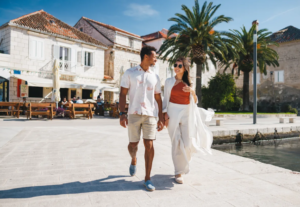
Wellness travel has evolved far beyond spa resorts and yoga retreats. In 2026, many travelers view vacations as opportunities for mental recovery, emotional reset, and personal growth.
Popular wellness-focused travel experiences now include:
- Digital detox retreats
- Forest bathing
- Sleep tourism
- Meditation retreats
- Thermal spas
- Nature therapy
- Mental wellness escapes
Some destinations are even marketing travel as a form of emotional healing and stress management.
Travelers are increasingly choosing destinations based on how they want to feel rather than simply where they want to go.
Sustainable and Regenerative Tourism Are Becoming Mainstream
Sustainability is no longer a niche travel trend — it is becoming a core expectation. Travelers in 2026 are more aware of tourism’s environmental impact and are seeking eco-conscious alternatives.
Key sustainability trends include:
- Eco-friendly accommodations
- Regenerative tourism projects
- Carbon-conscious transportation
- Rural and off-season travel
- Rewilding tourism initiatives
- Farm stays and agritourism
- Community-led tourism
Many travelers now prefer destinations that actively protect ecosystems and support local communities.
Tourism companies are also encouraging sustainable behavior through incentives and eco-reward programs.
Remote Work and “Workcations” Are Here to Stay
The rise of remote and hybrid work continues influencing travel behavior in 2026. Millions of professionals now combine work and leisure by taking longer trips while working remotely from different destinations.
Popular workcation destinations often offer:
- Reliable internet infrastructure
- Affordable living costs
- Wellness amenities
- Co-working spaces
- Flexible visa programs
- Nature-focused environments
Countries around the world are increasingly introducing digital nomad visas to attract long-term remote workers.
This trend is reshaping tourism by spreading demand beyond traditional holiday seasons.
Noctourism Is Rising
Another emerging trend is “noctourism,” where travelers organize experiences around nighttime activities rather than daytime sightseeing.
Examples include:
- Stargazing trips
- Northern Lights tourism
- Midnight city tours
- Night safaris
- Bioluminescent kayaking
- Full moon wellness events
Climate change and rising daytime temperatures are also contributing to the popularity of nighttime tourism experiences.
Destinations are increasingly creating curated after-dark experiences to meet growing demand.
Travelers Want Experiences Over Luxury
Luxury in 2026 is becoming less about extravagance and more about emotional value, authenticity, and personalization.
Modern travelers are prioritizing:
- Cultural immersion
- Storytelling experiences
- Local interaction
- Unique accommodations
- Personalized itineraries
- Emotional connection
This shift is especially visible among younger travelers, who often value meaningful experiences more than traditional luxury status symbols.
As a result, boutique hotels, heritage stays, and community-based tourism are becoming increasingly popular.
“Skillcations” and Learning Vacations Are Trending
Many travelers are now using vacations to learn new skills or explore personal interests. These “skillcations” combine leisure with self-improvement.
Popular learning-focused trips include:
- Cooking classes abroad
- Art and photography workshops
- Language immersion programs
- Surfing and diving schools
- Wellness certifications
- Culinary tourism
This trend reflects a broader shift toward purpose-driven travel experiences.
Travel is increasingly seen as an investment in personal growth rather than simple entertainment.
Smaller and Lesser-Known Destinations Are Gaining Popularity
Overtourism concerns continue pushing travelers toward less crowded destinations. In 2026, many tourists are actively avoiding heavily commercialized hotspots in favor of quieter and more authentic locations.
Emerging trends include:
- Rural tourism
- Secondary cities
- Hidden islands
- Mountain villages
- Nature-focused retreats
- Off-season travel
Destinations that offer sustainability, authenticity, and lower crowd density are increasingly attractive to modern travelers.
Sports and Entertainment Tourism Are Expanding
Travel linked to major sports, concerts, and entertainment events is growing rapidly.
In 2026, major global events such as:
- FIFA World Cup
- Winter Olympics
- International music festivals
- Cultural exhibitions
are driving tourism demand worldwide.
Travelers are increasingly planning vacations around live experiences and fandom culture rather than traditional sightseeing alone.
Why These Trends Matter
The travel trends shaping 2026 reflect broader global changes in lifestyle, technology, mental health awareness, and environmental responsibility.
These shifts matter because they are changing:
- How destinations market themselves
- What travelers value most
- The role of technology in tourism
- The importance of sustainability
- The future of hospitality and transportation
Travel is becoming more intentional, personalized, and emotionally driven.
For destinations and tourism businesses, adapting to these evolving expectations will be critical for long-term success.
Conclusion
Travel in 2026 is no longer just about seeing new places — it is about experiencing transformation, connection, and balance. From slow travel and wellness tourism to AI-powered planning and sustainable exploration, modern travelers are redefining what meaningful travel looks like.