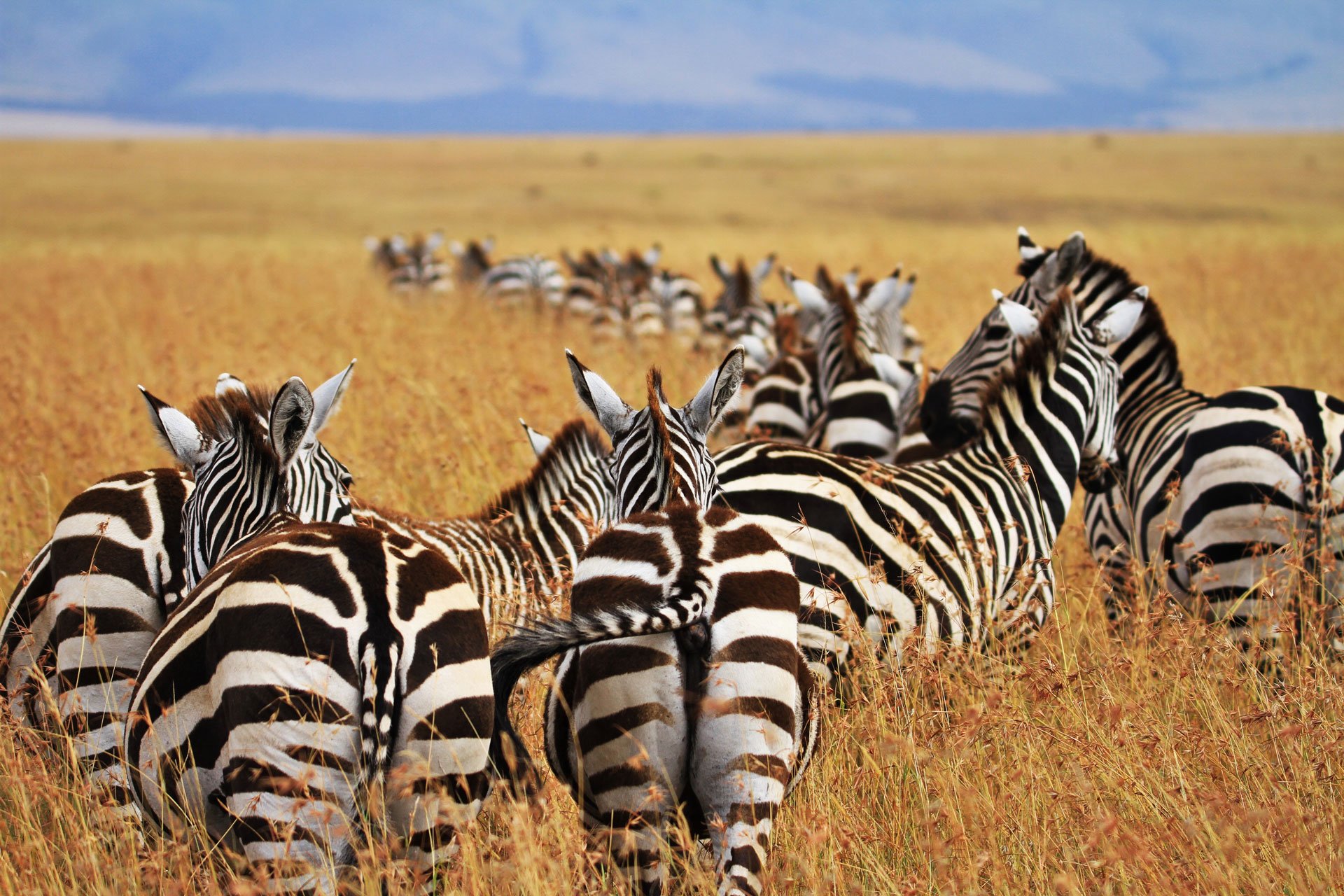
Wildlife travel has evolved far beyond traditional sightseeing. Today’s travelers are no longer satisfied with simply spotting animals from a distance or checking destinations off a list. Instead, people are searching for deeper, more respectful experiences that allow them to connect with nature while also protecting it. This shift has given rise to ethical safaris and responsible animal encounters, where conservation, sustainability, and animal welfare take priority over entertainment.
Modern wildlife tourism is about balance. Travelers want unforgettable moments in nature, but they also want to know their presence contributes positively to local ecosystems and communities. Ethical wildlife travel creates opportunities to witness animals in their natural habitats without exploiting them, transforming tourism into a force for conservation rather than harm.
Ethical Safaris Are Redefining the Meaning of Adventure
For decades, safaris were often associated with luxury lodges and dramatic animal sightings, but ethical safaris are changing the focus entirely. Instead of prioritizing spectacle, responsible safari operators emphasize conservation, habitat preservation, and low-impact tourism.
An ethical safari is designed around the well-being of wildlife first. Vehicles maintain respectful distances from animals, visitor numbers are controlled to avoid stress on ecosystems, and guides are trained to educate travelers about animal behavior rather than simply chasing sightings. This approach creates a more authentic experience because travelers witness wildlife behaving naturally, rather than reacting to human interference.
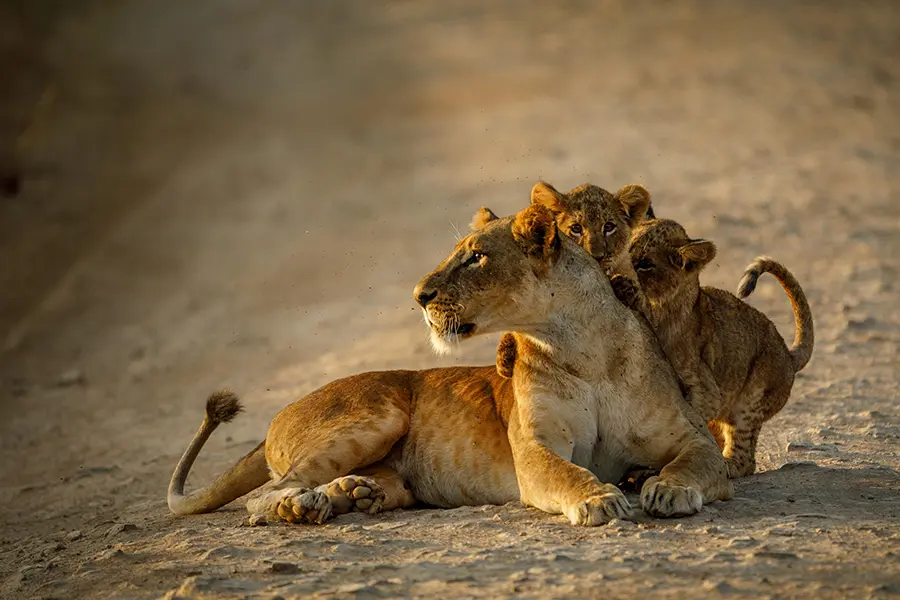
What makes these safaris particularly meaningful is the educational aspect. Travelers leave with a deeper understanding of biodiversity, endangered species, and the delicate balance that exists within ecosystems. A lion sighting becomes more than a photo opportunity—it becomes a lesson in survival, territory, and conservation challenges.
The Importance of Choosing Wildlife Experiences That Respect Animals
Not every wildlife experience advertised as “eco-friendly” is truly ethical. Many attractions around the world still rely on practices that exploit animals for profit, often disguising harmful interactions as conservation efforts. This is why responsible travelers must learn to identify the difference between ethical encounters and commercial exploitation.
Ethical animal experiences never force wildlife into unnatural behavior. Animals are not drugged, restrained, or trained to perform for entertainment. Instead, encounters are designed to minimize stress and allow animals to remain in control of their environment.
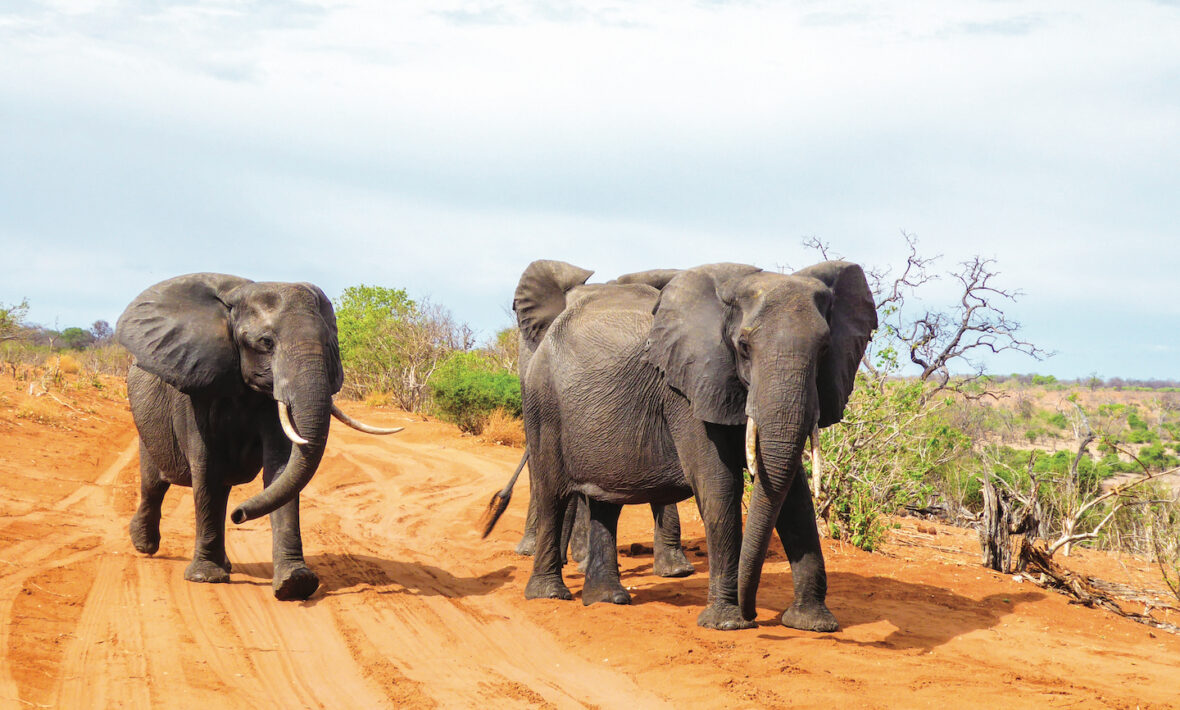
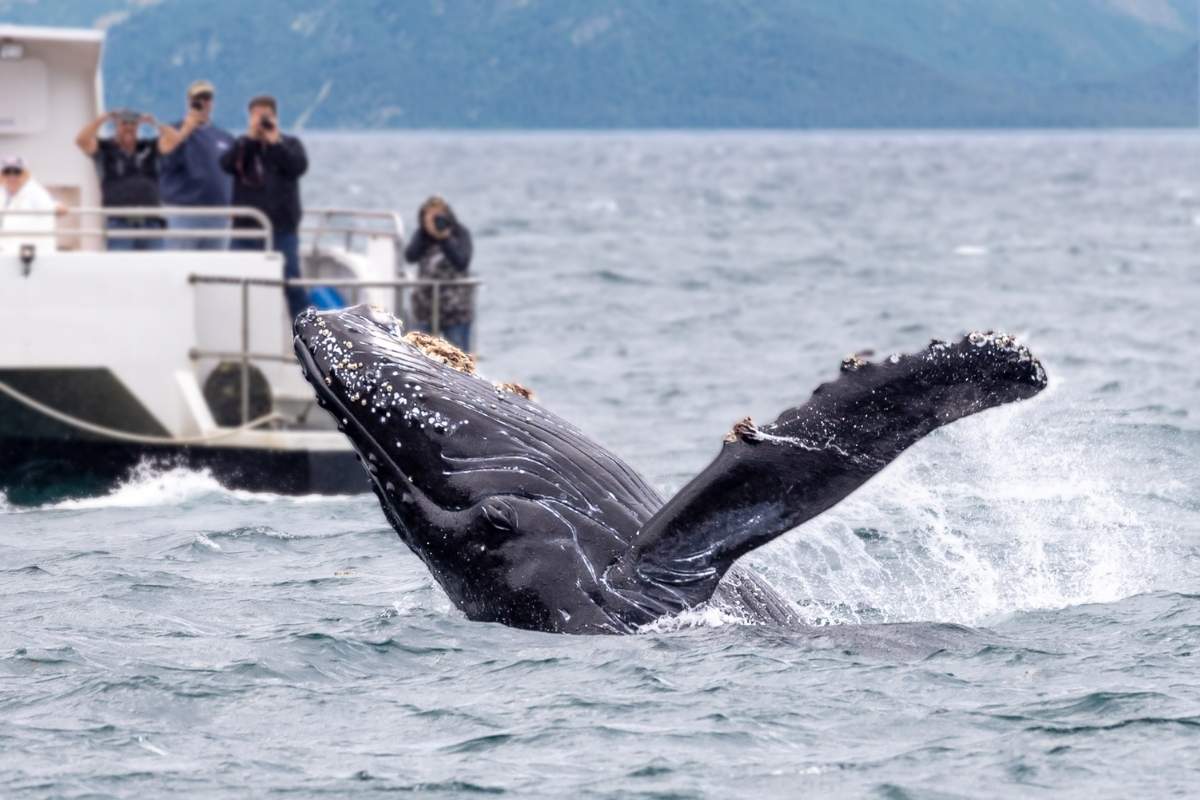
For example, observing elephants in protected reserves where they roam freely is vastly different from attractions offering elephant rides or staged performances. Similarly, marine tours that follow strict guidelines for whale watching respect migration patterns and feeding behaviors, ensuring that tourism does not disrupt natural life cycles.
The most rewarding wildlife experiences are often the quietest ones—watching gorillas interact in dense forests, seeing sea turtles return to nesting beaches, or listening to birds at sunrise in untouched wetlands. These moments feel powerful precisely because they are real and undisturbed.
Conservation Tourism Is Creating a Positive Impact Worldwide
One of the strongest arguments for ethical wildlife travel is its direct contribution to conservation. Responsible tourism can generate funding for national parks, wildlife rehabilitation centers, anti-poaching initiatives, and local conservation programs.
In many regions, tourism revenue helps protect habitats that would otherwise face destruction from deforestation, mining, or urban expansion. Local communities also benefit economically, creating a strong incentive to preserve wildlife rather than exploit it.
This connection between tourism and conservation is especially important in areas where endangered species are under threat. Ethical safari companies often collaborate with researchers, conservationists, and local communities to ensure that tourism actively supports environmental protection efforts. Travelers become part of that system simply by choosing responsible operators.
Beyond financial contributions, ethical travel also raises awareness. People who experience wildlife responsibly are more likely to support environmental causes, advocate for conservation policies, and adopt sustainable habits in their own lives.

Responsible Wildlife Photography Requires Patience and Respect
Wildlife photography has become a major part of travel culture, but ethical photography requires more than technical skill. It demands patience, awareness, and respect for animal boundaries.
Too often, travelers prioritize the “perfect shot” over the well-being of the animal. Crowding wildlife, using drones irresponsibly, or disturbing habitats for closer images can create significant stress for animals. Ethical photographers understand that no photograph is worth harming wildlife or disrupting natural behavior.
The most compelling wildlife images are often those captured through observation rather than interference. A photograph of a leopard resting naturally in a tree or a flock of flamingos moving across wetlands carries far more meaning when taken without manipulation. These images tell authentic stories about animals in their true environments.
Responsible photography also encourages travelers to slow down. Instead of chasing constant action, photographers learn to appreciate subtle moments—movements, sounds, and interactions that might otherwise go unnoticed.
Key Principles Every Ethical Wildlife Traveler Should Follow
- Choose safari operators that support conservation and local communities
- Avoid attractions involving animal performances or forced interactions
- Respect safe viewing distances and follow guide instructions
- Never feed or touch wild animals unless part of a verified conservation program
- Support eco-lodges and sustainable accommodations
- Practice responsible photography without disturbing habitats
- Learn about local ecosystems before traveling
- Prioritize experiences that focus on education and preservation
Local Communities Play a Vital Role in Sustainable Wildlife Tourism
Ethical wildlife travel is not only about animals—it is also about people. Local communities living near wildlife areas are often the true guardians of these ecosystems. Without their involvement, long-term conservation becomes nearly impossible.
Responsible safari operators increasingly work alongside local communities, creating employment opportunities through guiding, hospitality, conservation work, and cultural tourism. This ensures that tourism revenue benefits the people who live closest to these environments.
When communities see direct economic value in protecting wildlife, conservation becomes sustainable. Instead of viewing animals as threats to crops or livestock, communities are empowered to preserve biodiversity because it supports livelihoods and future opportunities.
This human connection also enriches the travel experience itself. Travelers gain insight into local traditions, conservation challenges, and cultural relationships with nature. The journey becomes more than wildlife viewing—it becomes an exchange of knowledge and perspective.

The Future of Wildlife Travel Depends on Responsible Choices
The future of wildlife tourism will ultimately depend on how travelers choose to engage with nature today. As demand for animal encounters grows, the industry faces a critical choice between exploitation and sustainability. Ethical travel represents a path where tourism and conservation can coexist successfully.
Travelers have more influence than they realize. Every booking, tour selection, and travel decision sends a message about what kind of tourism should thrive. Supporting ethical safaris and responsible wildlife experiences encourages businesses to prioritize conservation over profit-driven entertainment.
In the end, the most meaningful wildlife encounters are not the ones designed for social media attention. They are the moments that inspire respect, humility, and a stronger connection to the natural world. Ethical wildlife travel reminds us that nature is not a performance created for humans—it is a living system that deserves protection, understanding, and care.