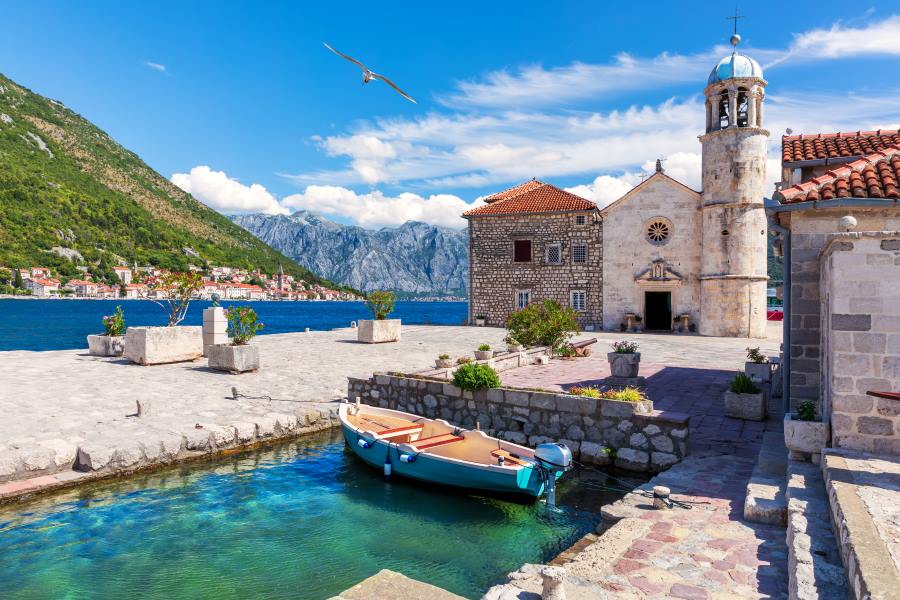
Travel has changed greatly over the years. In the past, many travelers focused mainly on visiting famous landmarks, taking photographs, and following crowded tourist routes. Today, however, people are searching for something more meaningful. Modern travelers want authentic experiences that allow them to truly understand the culture, lifestyle, and traditions of the places they visit. This growing interest has made immersive travel experiences more popular than ever before.
Living like a local is one of the most rewarding ways to travel. It allows people to move beyond surface level tourism and experience the real heartbeat of a destination. Instead of simply observing a place from the outside, travelers become part of everyday life, even if only for a short period of time.
Immersive travel is not about luxury or expensive attractions. It is about connection, understanding, and human experiences. From eating homemade local meals to exploring quiet neighborhoods and participating in cultural traditions, living like a local transforms ordinary trips into unforgettable journeys.
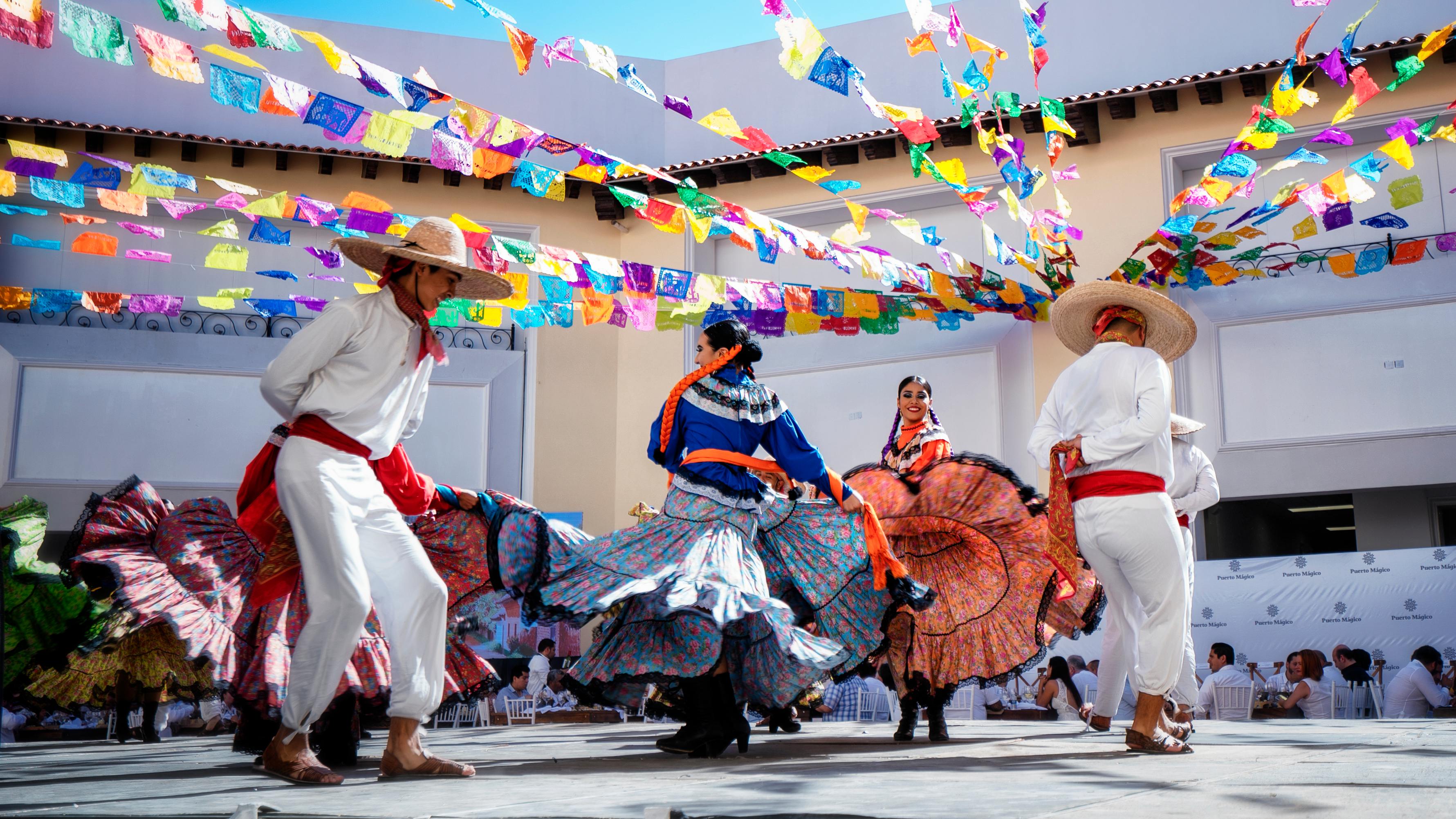
What Does Living Like a Local Mean?
Living like a local means experiencing a destination in the same way residents experience it every day. It involves stepping away from highly commercial tourist activities and embracing local culture in a natural and respectful way.
This style of travel often includes staying in local homes or small guesthouses, eating traditional food, using public transportation, shopping in local markets, and interacting with residents. Instead of rushing through a list of tourist attractions, travelers slow down and focus on understanding the environment around them.
The goal is not to pretend to become a local person completely but to appreciate the local lifestyle with openness and curiosity. It is about seeing the world from a different perspective and gaining experiences that go far beyond sightseeing.
The Beauty of Authentic Experiences
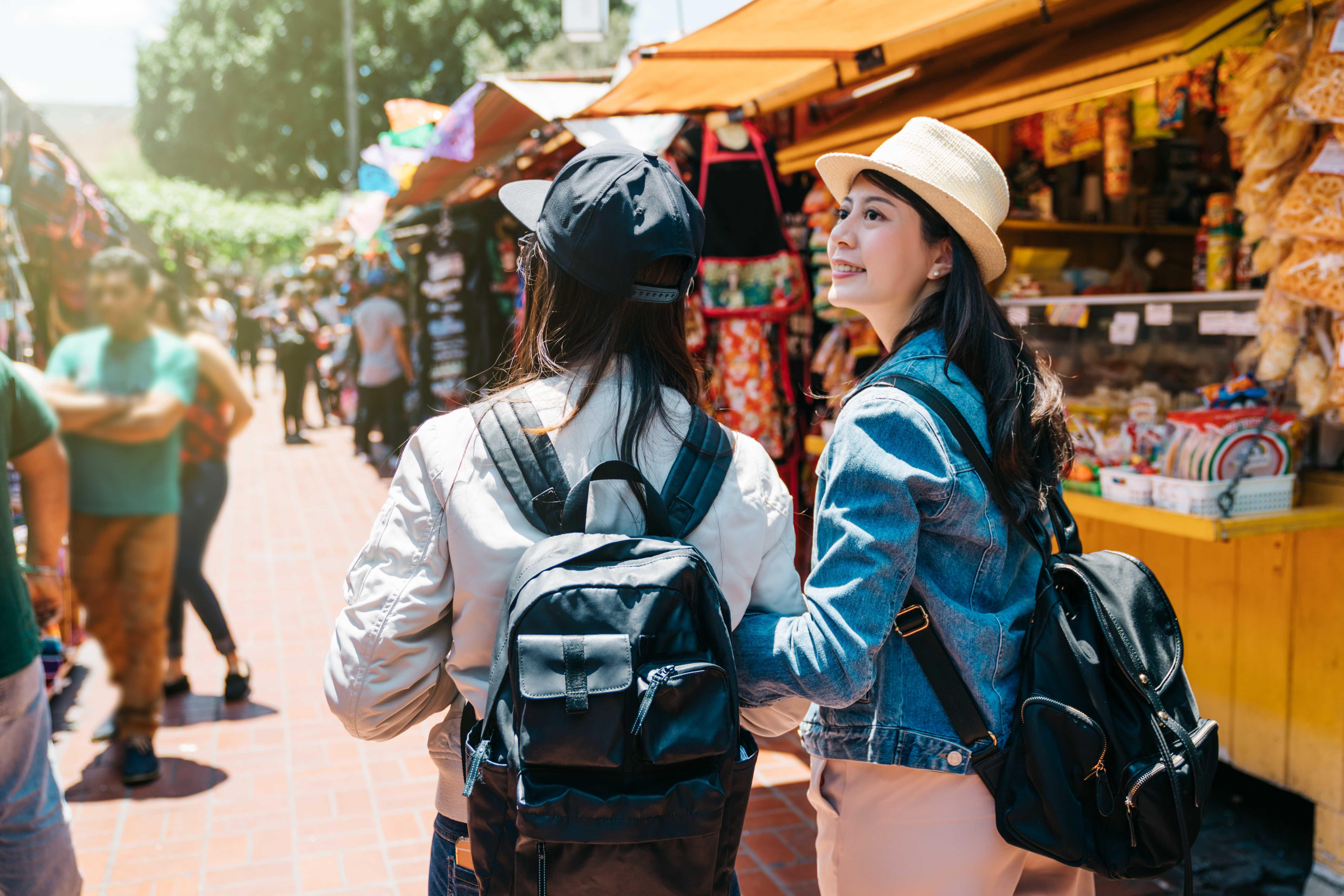
One of the greatest advantages of immersive travel is authenticity. Travelers get the opportunity to experience the true personality of a destination instead of only seeing its tourist image.
Walking through local streets, listening to daily conversations, and observing everyday routines reveal the real culture of a place. These experiences often feel more genuine and emotionally meaningful than crowded tourist attractions.
Authentic travel also creates stronger memories. A homemade meal shared with a local family or a quiet evening in a neighborhood café often leaves a deeper impression than visiting famous monuments. These personal moments make travel feel more human and emotionally connected.
Understanding Culture Through Daily Life
Culture is not only found in museums or historical sites. It exists in daily habits, traditions, food, language, and social interactions. Living like a local allows travelers to understand these details naturally.
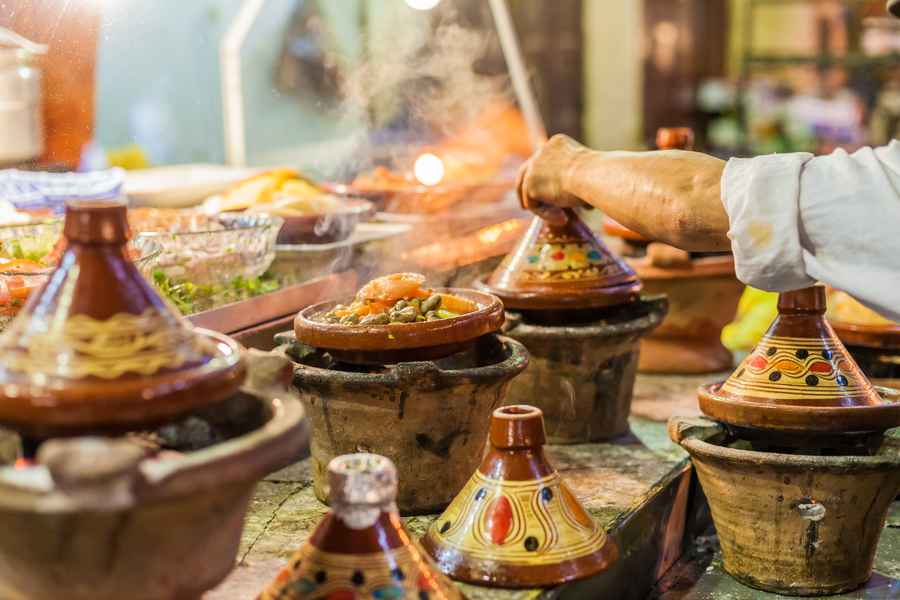
Food is one of the strongest cultural experiences during immersive travel. Eating local dishes prepared by residents provides insight into traditions, history, and family values. Every region has unique flavors and cooking styles that reflect its identity.
Language also plays an important role. Even learning a few simple phrases can create stronger connections with local people. It shows respect and often leads to warmer interactions and conversations.
Markets, transportation systems, and community spaces also reveal important aspects of culture. These ordinary places become windows into local life and traditions.
Building Meaningful Human Connections

One of the most powerful parts of immersive travel is the opportunity to connect with people. Local residents often share stories, traditions, and recommendations that travelers would never discover in guidebooks.
Simple conversations can lead to unforgettable experiences. A local shop owner might recommend a hidden café. A neighbor could invite a traveler to a cultural celebration or family event. These interactions create emotional connections that make travel more meaningful.
Human connection also helps break stereotypes and cultural misunderstandings. When people spend time together, they realize that despite different languages or lifestyles, human emotions and values are often very similar.
These personal experiences create a deeper understanding of the world and encourage empathy and respect between cultures.
Exploring Beyond Tourist Areas
Tourist attractions are often beautiful and important, but they usually represent only a small part of a destination. Living like a local encourages travelers to explore beyond famous landmarks.
Residential neighborhoods, local parks, street markets, and small cafés often reveal the true atmosphere of a city or village. These places are less crowded and offer a calmer, more natural experience.
Walking through local streets allows travelers to observe architecture, daily routines, and social life in an authentic way. Even simple activities like visiting a grocery store or using public transportation can become memorable experiences.
Exploring less commercial areas also supports local communities by bringing attention and economic activity beyond major tourist zones.
The Role of Local Accommodation
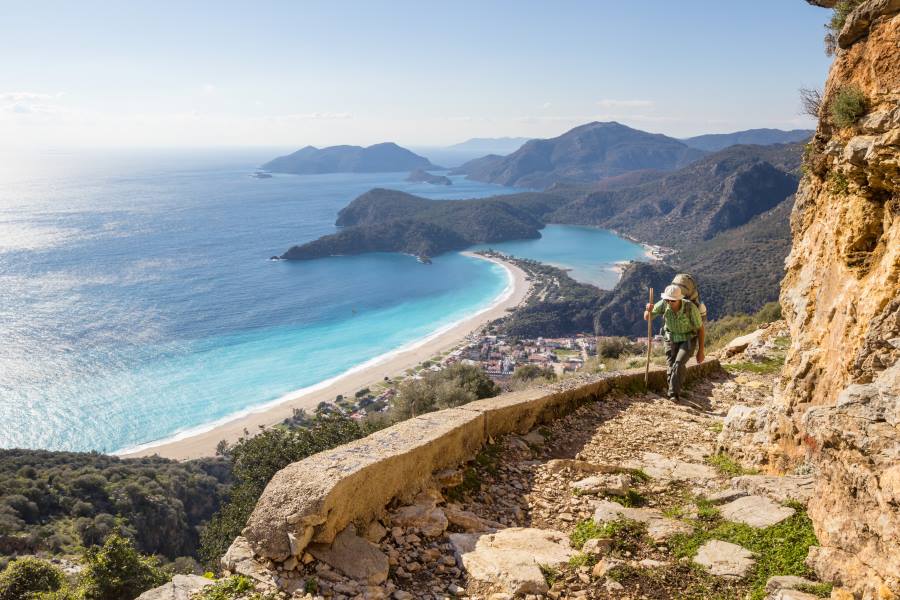
Accommodation plays a major role in immersive travel experiences. Staying in locally owned guesthouses, homestays, or rental apartments allows travelers to experience the destination more personally.
Unlike large hotels, local accommodations often reflect regional culture and traditions. The design, hospitality, and atmosphere feel more connected to the local environment.
Many hosts also enjoy sharing stories, recommendations, and cultural insights with guests. This personal interaction creates a welcoming experience that feels more genuine and comfortable.
Living in local neighborhoods also allows travelers to experience daily routines naturally. Morning markets, local cafés, and evening street life become part of the journey.
Learning Through Participation
Immersive travel is not only about observing culture but also participating in it. Joining local activities allows travelers to understand traditions more deeply.
Cooking classes, art workshops, farming experiences, and traditional festivals provide opportunities to engage directly with local customs. These activities create meaningful learning experiences while supporting local communities.
Participating in cultural events also helps travelers appreciate the values and history behind traditions. It transforms travel into an educational and emotional experience rather than simple entertainment.
The more actively travelers engage with local culture, the more connected they feel to the destination.
Challenges of Living Like a Local
Although immersive travel is highly rewarding, it can also come with challenges. Language barriers, unfamiliar customs, and different lifestyles may require adjustment.
Travelers may experience moments of discomfort when adapting to local food, transportation systems, or social norms. However, these challenges are often part of the learning process.
Patience and openness are important during immersive travel. Being respectful and willing to adapt helps create positive experiences and stronger cultural understanding.
Comfort levels may also be different from luxury tourism. Local accommodations and public transportation may not always offer the same convenience as commercial tourist services. However, many travelers find that the authenticity of the experience makes these small inconveniences worthwhile.
Why Immersive Travel Is Growing in Popularity
Many people today are looking for deeper and more meaningful travel experiences. Instead of simply collecting photographs, travelers want emotional connections and personal growth.
Immersive travel satisfies this desire by offering authenticity and human interaction. It allows people to disconnect from busy routines and reconnect with real life experiences.
Social media has also influenced this trend. Travelers now share stories about hidden places, local culture, and meaningful encounters rather than only famous landmarks. This inspires others to seek more genuine travel experiences.
At the same time, immersive travel supports sustainable tourism. Spending money in local businesses directly benefits communities and encourages cultural preservation.
Conclusion
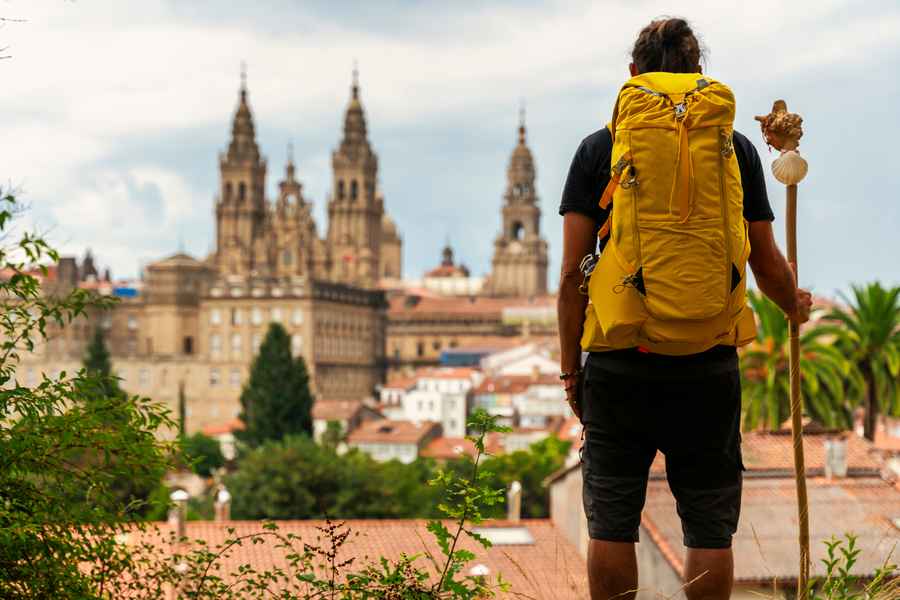
Living like a local is one of the most enriching ways to explore the world. It transforms travel from simple sightseeing into a meaningful human experience. By engaging with local culture, traditions, and daily life, travelers gain a deeper understanding of the places they visit.
Immersive travel encourages curiosity, respect, and openness. It creates opportunities for authentic experiences, emotional connections, and personal growth. Instead of only seeing destinations, travelers truly experience them.
In a world where many journeys feel rushed and commercialized, living like a local offers something more valuable. It reminds people that the heart of travel is not only about places but also about people, culture, and shared human experiences.
FAQs
What does living like a local mean while traveling?
Living like a local means experiencing a destination through its everyday culture, traditions, food, and lifestyle rather than only visiting tourist attractions.
Why are immersive travel experiences important?
Immersive travel experiences help travelers understand culture more deeply, build meaningful connections, and create authentic memories.
How can travelers experience local culture?
Travelers can experience local culture by staying in local accommodations, eating traditional food, using public transport, and interacting with residents.
Is immersive travel suitable for all travelers?
Yes, immersive travel can be suitable for anyone who is open minded, respectful, and interested in authentic cultural experiences.
What are the benefits of living like a local during travel?
Benefits include cultural understanding, meaningful human connections, personal growth, authentic experiences, and support for local communities.