
Travel used to begin with twenty browser tabs, three confusing spreadsheets, and at least one emotional breakdown while comparing hotel reviews written by strangers named “BeachDad74.” Planning a trip often felt like a part-time job before the vacation even started. Now artificial intelligence is quietly rewriting the entire experience, from how people book flights to how they discover hidden restaurants in cities they’ve never visited before.
AI is no longer just a futuristic buzzword floating around Silicon Valley presentations. It’s becoming the invisible travel assistant sitting inside apps, booking platforms, airline systems, translation tools, and customer service chats. Whether travelers realize it or not, artificial intelligence is already shaping where they go, how they get there, and what they do once they arrive. And honestly, travel may never go back to the old way again.
AI Travel Planning Is Replacing Hours of Research

One of the biggest ways AI is transforming travel is by eliminating planning fatigue. Instead of spending days researching destinations, comparing routes, and reading endless reviews, travelers can now generate personalized itineraries within minutes. AI-powered travel tools analyze budgets, interests, schedules, weather patterns, and even previous travel behavior to recommend trips that feel surprisingly tailored.
This shift matters because modern travelers are overwhelmed with choices. Too many hotel options, too many flight combinations, too many “must-see” recommendations flooding social media feeds. AI cuts through that chaos by narrowing options intelligently. Someone looking for wellness-focused travel might receive completely different recommendations than a foodie or solo backpacker. The result feels less generic and far more useful. Travelers are spending less time planning and more time actually looking forward to the trip itself, which may be the greatest luxury modern technology has created.
Airlines and Hotels Are Becoming Smarter Behind the Scenes
AI isn’t just improving travel apps people directly use — it’s transforming the entire infrastructure behind travel. Airlines now rely heavily on artificial intelligence for pricing models, route optimization, predictive maintenance, and customer service automation. Ever notice flight prices changing almost mysteriously every time you refresh a search? That’s AI-driven dynamic pricing working overtime.
Hotels are evolving too. Many properties now use AI systems to personalize guest experiences before travelers even check in. Room preferences, dining recommendations, and targeted offers are increasingly generated through predictive algorithms designed to anticipate behavior. Some luxury hotels are experimenting with AI-powered concierge services capable of handling bookings, restaurant reservations, and local recommendations instantly.
Of course, there’s a trade-off here. While AI improves efficiency, many travelers worry that travel is becoming less human. Automated chatbots replacing customer support agents can sometimes feel frustrating, especially during delays or travel emergencies. The best travel brands are realizing that AI works best when it enhances human service instead of completely replacing it.
Language Barriers Are Suddenly Much Less Intimidating

For decades, language barriers shaped where people felt comfortable traveling. AI-powered translation tools are rapidly changing that dynamic. Real-time translation apps now allow travelers to communicate with locals, read menus, understand signs, and navigate unfamiliar places with far less stress than before.
This technology is opening destinations that once felt intimidating to international visitors. Travelers who may have avoided countries because they didn’t speak the language are becoming more confident exploring independently. AI translation also creates more spontaneous travel experiences. Instead of sticking strictly to tourist zones, people can interact more naturally with local businesses, transportation systems, and communities.
While translation technology still isn’t perfect, the progress has been dramatic. Conversations that once required phrasebooks and awkward hand gestures can now happen almost instantly through smartphones. That accessibility is making travel feel more connected and less restricted by geography or language limitations.
Social Media Algorithms Are Quietly Influencing Destinations
AI is also shaping travel trends in a less obvious way: recommendation algorithms. Platforms like TikTok, Instagram, YouTube, and travel apps heavily rely on AI systems that determine which destinations suddenly explode in popularity. One viral video of a hidden beach café or scenic train ride can turn a quiet location into an international hotspot almost overnight.
This creates both opportunities and problems. Smaller destinations can gain tourism revenue and global attention quickly, but overtourism has become a growing consequence of algorithm-driven travel culture. Travelers increasingly visit places not because guidebooks recommended them, but because AI-powered feeds pushed those destinations repeatedly into their screens.
The modern traveler often believes they “discovered” a location independently when, in reality, algorithms played a huge role in shaping that decision. AI has essentially become the new travel influencer — quieter, invisible, and dramatically more powerful.
AI Is Making Travel Safer and Less Stressful
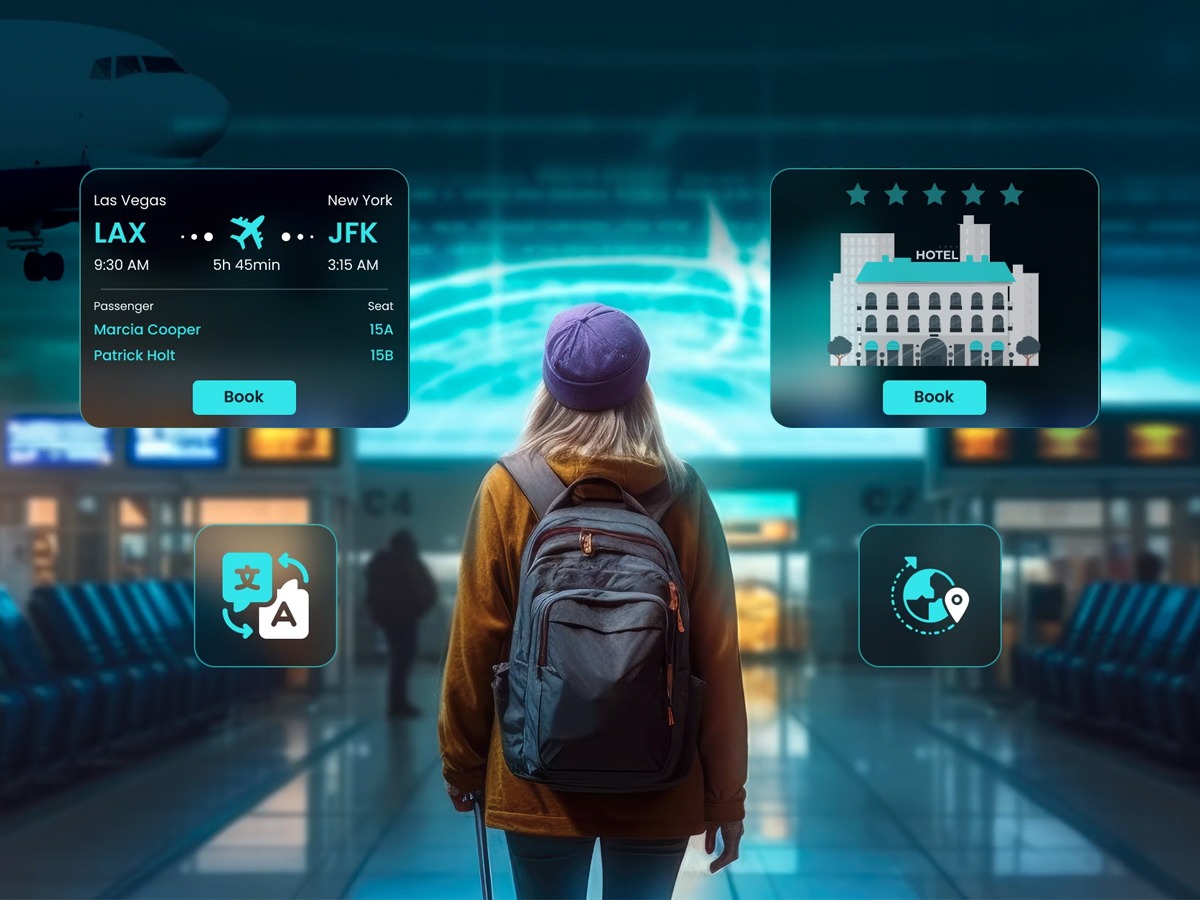
Travel stress doesn’t usually come from destinations themselves. It comes from uncertainty. Delayed flights, missed connections, weather disruptions, unfamiliar transportation systems — these are the moments that turn dream vacations into emotional endurance tests. AI is increasingly being used to reduce that friction.
Many travel platforms now provide predictive alerts about delays, gate changes, traffic conditions, and weather disruptions before problems escalate. Navigation apps use AI to suggest faster routes in real time. Airlines analyze operational data to reduce delays and improve scheduling efficiency. Even luggage tracking systems are becoming smarter through machine learning tools that help locate lost baggage faster.
For travelers, this creates a smoother and more confident experience overall. The less mental energy spent solving logistical problems, the more travelers can focus on actually enjoying where they are. That convenience is a major reason AI-powered travel tools are growing so rapidly.
The Future of Travel May Feel More Personal Than Ever
Ironically, artificial intelligence is making travel feel more customized and personal at the exact moment technology becomes more automated. Instead of generic recommendations, travelers increasingly receive suggestions that match their habits, interests, budgets, and personalities with surprising accuracy.
But the future of AI travel likely depends on balance. Travelers still want spontaneity, emotional experiences, and human connection. Nobody dreams about a perfectly optimized algorithmic vacation with zero surprises. The magic of travel still comes from unexpected moments: getting lost in a beautiful neighborhood, discovering a tiny restaurant accidentally, or changing plans on impulse because something simply feels exciting.
AI works best when it removes stress without removing discovery. And that’s where the travel industry is headed now , toward experiences that are smarter, smoother, and more personalized, while still leaving room for the unpredictable moments that make traveling unforgettable in the first place.